
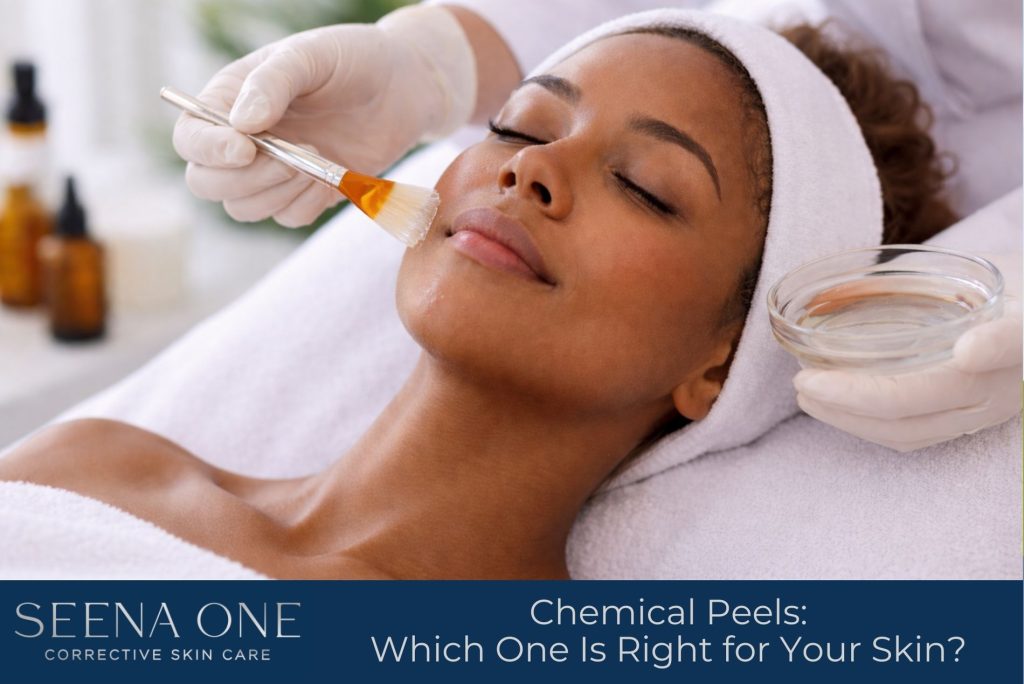
Healthy, radiant skin is something many people strive for, but factors like sun exposure, aging, acne, and environmental stressors can make achieving that goal difficult. Chemical peels are one of the most effective professional skincare treatments available for improving skin tone, texture, and overall appearance. With multiple types available, choosing the right chemical peel can make a significant difference in your results.
At Seena One Corrective Skin Care, clients receive personalized skincare solutions designed to address their unique skin concerns. Whether you’re looking to brighten dull skin, reduce acne, soften fine lines, or improve uneven texture, chemical peels can provide noticeable improvements when performed by experienced professionals.
In this guide, we’ll explore what chemical peels are, how they work, and how to determine which type is best for your skin.
What Is a Chemical Peel?
A chemical peel is a professional skincare treatment that uses specialized exfoliating solutions to remove the outer layers of damaged skin. This controlled exfoliation stimulates the skin’s natural renewal process, revealing smoother, brighter, and healthier skin underneath.
Chemical peels can address a wide variety of skin concerns, including:
- Fine lines and wrinkles
- Acne and acne scars
- Uneven skin tone
- Sun damage
- Hyperpigmentation and melasma
- Rough or dull skin texture
- Enlarged pores
As the outer layer of skin sheds, new skin cells regenerate, creating a refreshed complexion.
Types of Chemical Peels
Chemical peels generally fall into three categories: superficial, medium, and deep peels. Each one penetrates the skin at different depths and targets specific concerns.
Superficial Peels (Light Peels)
Superficial peels are the gentlest option and focus on exfoliating the outermost layer of the skin.
Common ingredients may include:
- Glycolic acid
- Lactic acid
- Salicylic acid
- Mandelic acid
Benefits:
- Brightens dull skin
- Improves mild acne
- Smooths rough texture
- Minimizes early signs of aging
- Requires little to no downtime
These peels are ideal for people looking for gradual improvements or for maintaining healthy skin.
Medium Peels
Medium-depth peels penetrate deeper into the skin to treat more noticeable concerns.
Common ingredients may include:
- Trichloroacetic acid (TCA)
- Stronger glycolic acid formulations
Benefits:
- Reduces moderate wrinkles
- Improves sun damage
- Fades hyperpigmentation
- Improves acne scars
- Provides more dramatic skin renewal
Recovery typically includes several days of redness and peeling as the skin regenerates.
Deep Peels
Deep chemical peels reach the deeper layers of the skin and provide the most significant transformation.
These peels are typically recommended for:
- Deep wrinkles
- Severe sun damage
- Significant discoloration
- Advanced acne scarring
Deep peels require longer recovery time and are usually performed less frequently due to their intensity. However, they can deliver dramatic improvements in skin texture and tone.
Benefits of Chemical Peels
Chemical peels are popular because they provide both immediate and long-term skin benefits.
Some of the most common advantages include:
- Smoother skin texture
- Brighter, more radiant complexion
- Reduced appearance of wrinkles
- Improved acne control
- More even skin tone
- Enhanced effectiveness of skincare products
When performed by experienced professionals like the team at Seena One Corrective Skin Care, chemical peels are carefully customized for each client’s skin type and goals.
Choosing the Right Chemical Peel
Selecting the right chemical peel depends on several factors, including your skin type, concerns, and desired results.
For example:
- Acne-prone skin may benefit from salicylic acid peels
- Sun-damaged skin may respond well to glycolic or TCA peels
- Sensitive skin may require milder formulations
- Aging skin may benefit from medium-depth resurfacing peels
A professional consultation helps determine the best treatment plan while minimizing irritation and maximizing results.
What to Expect During Treatment
Your chemical peel treatment typically begins with a skin analysis to determine the most appropriate solution for your skin.
The process generally includes:
- Cleansing the skin
- Applying the chemical peel solution
- Allowing the solution to exfoliate the skin for a controlled period
- Neutralizing or removing the peel
- Applying soothing and protective skincare products
Depending on the peel strength, you may experience mild tingling, warmth, or temporary redness.
Post-Treatment Care
Proper aftercare helps ensure the best results and protects your skin as it heals.
After a chemical peel, you should:
- Avoid direct sun exposure
- Wear sunscreen daily
- Avoid picking or peeling the skin
- Use gentle skincare products
- Follow your provider’s specific aftercare instructions
Your skin will gradually reveal a healthier, more refreshed appearance as it heals.
Chemical Peel Q&A
What skin concerns can chemical peels treat?
Chemical peels can address a wide variety of concerns including acne, fine lines, sun damage, uneven skin tone, hyperpigmentation, enlarged pores, and rough texture.
Are chemical peels safe for all skin types?
When performed by trained professionals, chemical peels can be customized for many different skin types. However, the type and strength of peel should be carefully selected based on your individual skin characteristics.
How often should I get a chemical peel?
Light peels can often be performed every 4–6 weeks, while medium and deep peels are performed less frequently. Your skincare professional will recommend the best schedule for your skin.
Will my skin peel after treatment?
Some peels cause visible peeling while others produce minimal flaking. The amount of peeling depends on the strength of the peel and your skin’s response.
Do chemical peels hurt?
Most chemical peels cause mild tingling or warmth during treatment. These sensations are temporary and typically subside shortly after the procedure.
How long does it take to see results?
Many people notice brighter skin within a few days. Full results often appear as the skin completes its renewal process over the following weeks.
Can chemical peels help with acne scars?
Yes. Medium-depth chemical peels can improve the appearance of acne scars by stimulating collagen production and encouraging skin renewal.
Is there downtime after a chemical peel?
Downtime varies depending on the type of peel. Light peels have little to no downtime, while medium and deep peels may require several days of recovery.
How should I prepare for a chemical peel?
Preparation may include avoiding certain skincare products, sun exposure, or exfoliating treatments prior to your appointment. Your provider will give you detailed instructions before your treatment.
Transform Your Skin with Expert Care
Chemical peels are one of the most effective ways to rejuvenate your skin and address common concerns like acne, wrinkles, and uneven tone. With professional guidance and customized treatments, you can achieve healthier, more radiant skin safely and effectively.
The skincare specialists at Seena One Corrective Skin Care are dedicated to helping clients achieve their best skin through advanced corrective treatments and personalized care.
Contact Information
Seena One Corrective Skin Care
701 E Rendon Crowley Rd
Burleson, TX 76028
Phone: (817) 718-1383
Website:
https://medspaatseenaone.com
Request An Appointment:
https://medspaatseenaone.com/appointments/